Paver Sanding 101: Polymer Sand vs. Regular Sand for Western NC Patios

Western North Carolina patios and walkways face shade, showers, and seasonal temperature swings. Those daily conditions quietly work on the joints between your pavers. The right joint material keeps everything tight, smooth, and good looking. If you want a quick, local guide to your options, you are in the right place. We will compare polymer sand and regular sand, explain how our climate affects performance, and show how a professional paver sanding service fits into a lasting care plan.
When you team up with Salamander Softwash, you get a pressure washing and hardscape care partner who knows Asheville blocks like Biltmore Park, Montford, West Asheville, and Haw Creek. Our goal is simple. Stable joints that resist weeds, stay put during downpours, and keep your surface even underfoot.
Paver Sanding in Asheville, NC: What It Actually Does
Paver sanding is the step that fills and locks the joints so your brick, concrete, or stone system acts like one surface. The right joint material supports edge-to-edge contact, limits movement, and reduces places where weeds can take hold. Good joints protect the bedding layer below from washing out and keep water flowing where it should.
In our mountain climate, joints face three main stressors: steady summer humidity, leaf debris in fall, and quick cloudbursts that can wash out loose material on sloped drives. That is why joint stabilization, weed reduction, and resistance to rainfall washout matter so much around Asheville, NC.
Polymer Sand vs. Regular Sand: Key Differences
Both materials fill joints. They just behave differently once weather and foot traffic get involved. Here is a simple side‑by‑side way to think about it.
- Polymer sand contains binders that activate with moisture and cure into a firm, unified joint. This helps resist washout and ant tunneling, and it slows weed growth by cutting down on loose, organic material in the gaps.
- Regular sand is clean, angular sand with no binders. It is budget friendly and easy to top off, but it is more likely to shift, wash away in heavy rain, and allow weeds to return faster.
- Appearance differs too. Polymeric joints often look smoother and hold a consistent line. Regular sand can settle unevenly over time, which makes patterns look wavy or tired.
- Care windows matter. Polymeric products prefer a dry setup window after activation. Regular sand does not need a cure, but it needs more frequent touch‑ups in areas with storm runoff.
Do not mix polymeric sand with other materials or use it on damp surfaces that will not dry soon. A sloppy cure can lead to haze or weak joints that do not perform as promised.
How Western North Carolina Weather Changes the Choice
Asheville’s season mix is unique. Afternoon showers, shaded lots, and winter freeze‑thaw all influence joint material performance.
- Rainfall washout: On sloped driveways in North Asheville or Candler, polymeric joints typically hold up better during cloudbursts because the binders help sand stay put.
- Shade and organics: In tree‑covered yards across Montford and Oakley, organic bits drop into joints and feed weeds. A tighter joint leaves fewer pockets for growth.
- Freeze‑thaw: When temperatures swing, you want joints that do not loosen and let edges lift. A well‑compacted joint with the right material helps resist that micro‑movement.
There is no one product that fits every space. A small, sunny courtyard sees different stress than a shaded entry walk beside a raised bed. That is why an on‑site assessment from a local team saves you frustration later.
Local insight: Summer pop‑up storms can hit hard in Asheville. Schedule work during a dry stretch for best results and avoid activating polymeric sand right before an afternoon thunder shower. Your joints will cure cleaner and last longer.
When To Choose Polymer Sand vs. Regular Sand
Polymer sand often shines on driveways, high‑traffic patios, and sloped walks that see sheet runoff. It helps resist washouts and ant activity, and it slows weed return. Regular sand can still make sense on low‑traffic garden paths, tight patios with excellent drainage, or projects where quick touch‑ups are part of the plan.
Curious how joint material fits with coating choices? See how sealing changes maintenance intervals in this article on paver sealing in Asheville. It explains why cured, well‑packed joints hold up better under a protective sealer film or penetrating water repellent.
How To Tell If Your Patio Or Driveway Needs Re‑Sanding
Most homeowners notice the cosmetic signs first, then the stability issues. If you recognize several items below, it is time to have a pro take a look.
- Joints look low or dusty, and you see small gaps between pavers after a heavy rain.
- Ant mounds or fine trails appear along joints, especially near landscape beds.
- Weeds pop back within a few weeks, even after a thorough professional cleaning.
- Subtle rocking or edge lift when you step on a corner, which hints at washout below.
Loose, sinking, or ant‑disturbed joints point to re‑sanding before bigger repairs are needed. Addressing joints early protects your base and keeps the surface even for strollers, wheelchairs, and guests.
Why Pair Sanding With Professional Cleaning And Sealing
Joints last longest when the surface is cleaned by a trained team that uses even, professional equipment. That process removes organic films and fine grit that would keep sand from packing firm. After joints are restored and compacted, sealing can lock in color, improve water repellency, and help keep joints tight.
You can explore the finishing step on the dedicated paver sealing page. Done in the right weather window, sealing reduces water absorption, defends against leaf tannins, and helps joints resist early washout during mountain storms.
What A Local Asheville Visit From Salamander Softwash Looks Like
Every property is different, but the goals stay the same. Smooth joints, safer footing, and a clean, even look that matches your home. Here is the typical experience when you book with our team.
First, we learn how you use the space. Patio dining in West Asheville. Driveway parking in Biltmore Forest. Garden paths beside beds in Kenilworth. Use patterns and shade tell us where joints need the most support. Next, our technicians plan surface prep with the right professional cleaning approach so fresh sand can seat and compact correctly. Finally, we restore joints with the material that best fits your traffic, slope, and exposure, and we confirm the surface is ready if you also plan to seal.
If you want the full picture, start with asheville paver sanding resources on our home base to see how cleaning, sanding, and sealing work together across patios, pool decks, and walks in Asheville, NC.
Western NC Examples That Shape The Choice
Picture a sloped paver drive in North Asheville that sees strong sheet flow during summer storms. Polymeric joints help resist washouts that leave tire arcs dipping at the edges. Now think about a quiet, fenced courtyard off a shaded Montford alley. Regular sand may work there if traffic is light and drainage is well controlled. The key is picking the joint system for the stress your surface actually sees, not just the label on the bag.
On pool decks and shaded steps, traction is a top priority. The joint choice and the sealer finish should support grip, not shine. Your technician can recommend a profile that balances color depth with foot safety near slopes and entries.
How This Fits With Broader Property Care
Joint performance improves when surrounding hardscapes are cared for on a smart schedule. Clean, textured sidewalks do not track grit back onto a patio, and a washed driveway sheds less silt into nearby joints after storms. If slippery walks are a concern, see the article on sidewalk slip hazards and how pro cleaning restores texture.
When you are ready to stabilize joints or level pavers, booking a professional paver sanding visit makes a clear difference. Our team combines the right cleaning approach with joint restoration so your patio looks sharp and stays even longer.
Who We Serve And How To Reach Us
Salamander Softwash serves Asheville and nearby communities across Buncombe and surrounding counties. Homeowners call us for patios, pool decks, garden paths, and paver driveways that need joint stabilization and a refreshed look. If you prefer a single team to handle cleaning, sanding, and sealing under one plan, we are ready to help.
Have questions about timing or materials for your specific surface? Talk with a friendly expert at 828-775-1862. We will match the approach to your site, season, and schedule.
Ready To Stabilize Your Pavers For The Long Haul?
Set your patio or driveway up for success this year. If you want joints that stand up to Asheville rains, fewer weeds, and a smoother, safer surface, our team is ready to help. Learn more about our approach and book your paver sanding in Asheville, NC with Salamander Softwash today.
OUR RECENT PHOTOS
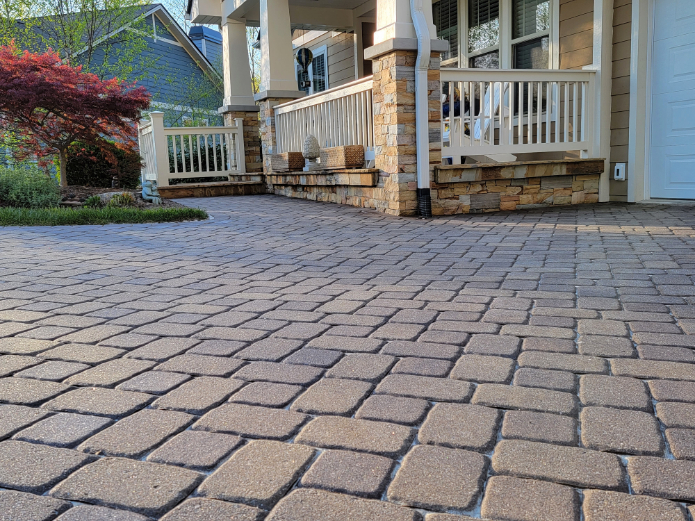
Brick Paver Driveway Restoration in Asheville, NC
This Biltmore Lake, NC home needed a driveway refresh. After 15+ years since the brick pavers were installed a full service restoration was in order. Unwanted organics had taken over the joints between the bricks and the natural colors were covered with grime. Salamander […]
See This Project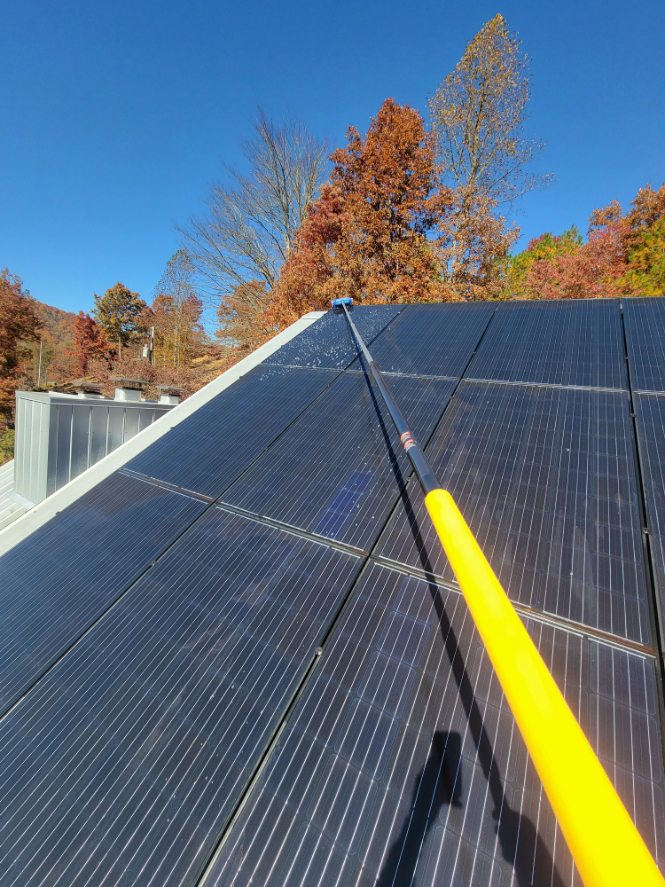
Solar Panel Cleaning and Gutter Cleaning in Asheville, NC
Check out some of our additional services like Solar Panel Cleaning and Gutter Cleanout. We are here for all of your Exterior Cleaning needs. We are fully Insured and Licensed. Solar Panels need to be cleaned when they get covered with pollen. […]
See This ProjectLATEST TIPS
-
Paver Sanding 101: Polymer Sand vs. Regular Sand for Western NC Patios
Western North Carolina patios and walkways face shade, showers, and seasonal temperature swings. Those daily conditions quietly work on the joints between your pavers. The right joint material keeps everything tight, smooth, and good looking. If you want a quick, local guide to your options, you […]
-
Paver Sealing in Asheville: How Long It Lasts and When to Reseal
Paver sealing in Asheville protects your patio, walkways, pool deck, and driveway from water, stains, and our mountain freeze-thaw cycles. If you want lasting color and cleaner joints, professional sealing is the key. Start by learning how long quality sealers typically last here in Western North […]